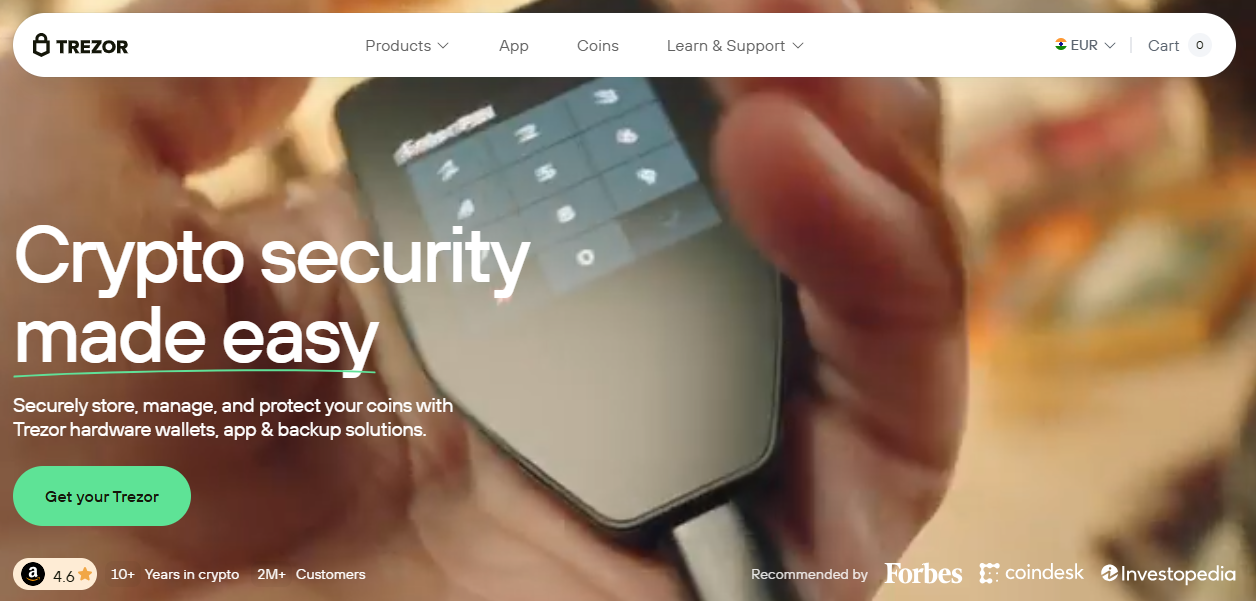
Once setup is complete, your Trezor wallet is ready for use. You can send and receive cryptocurrencies, manage multiple accounts, and monitor balances securely. All transactions must be confirmed on the physical device, ensuring that even if your computer is compromised, your funds remain protected.
Regularly check for firmware updates and follow security best practices to maintain a high level of protection over time.
Maintaining wallet security does not end after setup. Always verify transaction details on the device screen before approving them. Keep your recovery seed private and never share it with anyone, regardless of the situation.
Be cautious of phishing attempts that imitate official Trezor communications. Only trust instructions displayed directly on your hardware device.
Avoid installing unverified software or browser extensions that claim to interact with your wallet. Your hardware wallet is designed to function securely without third-party interference.
Some users may encounter device recognition issues, outdated firmware prompts, or connection interruptions. In most cases, these problems can be resolved by using a different USB port, restarting the device, or reinstalling the official software.
Never attempt to bypass security warnings or skip verification steps, as these are designed to protect your funds.
Yes, Trezor.io/Start is the official setup process designed to securely initialize Trezor hardware wallets. Always ensure you are following the official instructions displayed on your device.
If you have your recovery seed, you can restore your wallet on a new Trezor device. Without the recovery seed, access to funds cannot be recovered.
Yes, a Trezor wallet can be reset and restored using the recovery seed. This is useful if you forget your PIN or want to start fresh.
Firmware updates should be installed when available, as they often include important security improvements and bug fixes.
No, private keys never leave the device, and transactions require physical confirmation. Remote hacking is extremely unlikely when proper security practices are followed.
The recovery seed is a human-readable representation that can recreate all private keys associated with your wallet. It must be protected with extreme care.
Trezor.io/Start provides a secure and user-friendly entry point into hardware wallet ownership. By following the setup process carefully and maintaining strong security habits, users can significantly reduce the risks associated with cryptocurrency storage.
This content is for informational and educational purposes only and does not constitute financial, investment, or security advice. Cryptocurrency involves risk, and users are solely responsible for the security of their devices, recovery phrases, and funds. Always follow official instructions and conduct independent research before making any decisions related to digital assets.